Why Is North Bangalore Growing So Fast? 5 Economic Drivers
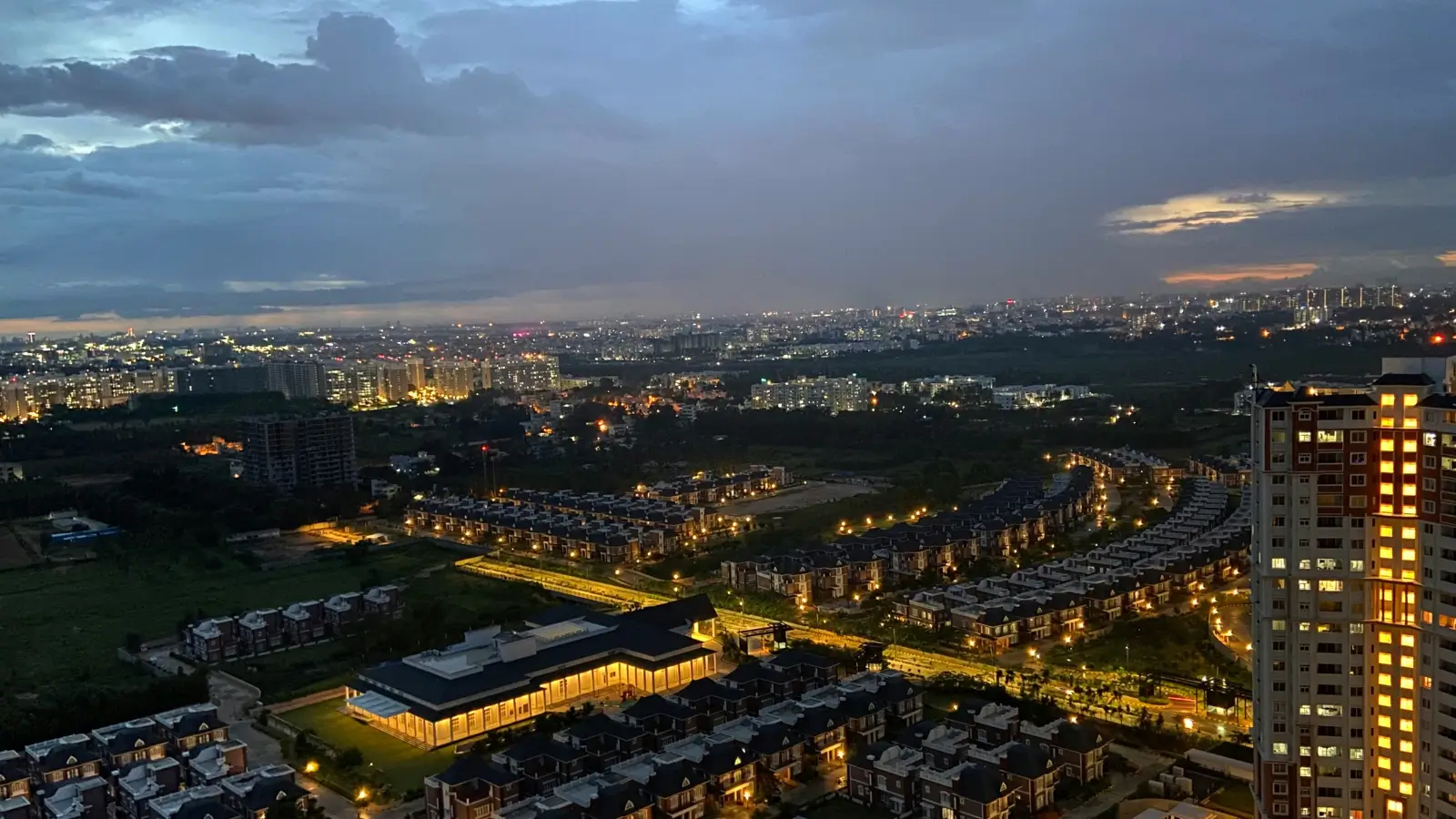
Why is North Bangalore growing faster than many other parts of the city? The short answer is that jobs, infrastructure and land have come together...
Why is North Bangalore growing faster than many other parts of the city? The short answer is that jobs, infrastructure and land have come together along one corridor, the stretch of NH-44 running from Hebbal to Kempegowda International Airport. This post looks at the five main forces behind that growth and what they mean for homebuyers.
The first of the North Bangalore growth drivers is the airport. Kempegowda International Airport has pulled airline, cargo, logistics and hospitality jobs northwards, and residential demand has followed. From Kogilu, the airport is about 22 km by road, roughly 30–35 minutes off-peak.
The second is office employment. Manyata Tech Park, Karle Town Centre, Kirloskar Business Park and Bhartiya City form a large office belt around Hebbal and Thanisandra, all within about 6.5–9 km of Kogilu. The third is industry: the KIADB Aerospace Park, about 21 km north, adds aerospace and defence jobs.
The fourth driver is transport: the Blue Line airport metro runs along NH-44 through Hebbal, Jakkur, Yelahanka and Bagalur Cross, with its Yelahanka station at Kogilu Cross expected in a 2027–28 window. Road improvements across the north add to the effect over time.
The fifth is social infrastructure. Schools such as Canadian International School and EuroSchool North Campus, hospitals such as Sparsh and Aster CMI, and malls such as The Galleria and Phoenix Mall of Asia have all grown alongside population, making the area liveable, not just accessible.
North Bangalore development 2026 shows in prices. Hebbal has risen about 72.4% over three years, Yelahanka about 57.1% and Kogilu about 48.0%. Demand is spreading outwards from Hebbal as buyers look for more space at lower prices.
Completed communities capture this growth without construction risk. SOBHA Palm Court in Kogilu, with 294 homes and about 83% open space, sits close to the airport, the metro and office corridors.
Land availability is the quieter factor. Compared with the older, denser parts of central and south Bengaluru, the north still offers larger land parcels, which allow developers to plan gated communities with generous open space and amenities. That makes low-density living possible at prices well below the city core, which in turn attracts families who want space without a very long commute.
So why is North Bangalore growing? Because it offers jobs in both directions, improving transport and liveable neighbourhoods at once.
Related reading: Kempegowda Airport Expansion and Its Effect on Nearby Real Estate and Upcoming Infrastructure Around Yelahanka: Metro, Rail and Road Projects to Watch.
FAQs
What drives North Bangalore's growth?
The airport, office parks, the aerospace park, the airport metro and improving social infrastructure.How much have prices risen?
Hebbal about 72.4%, Yelahanka about 57.1% and Kogilu about 48.0% over three years.When will the airport metro open?
Published timelines point to a 2027–28 window.
Related Articles

Is Bangalore Still a Good City for Property Investment in 2026?
Is Bangalore good for property investment in 2026? For many buyers, the answer remains yes, because the city combines a deep job market, a large...
Namma Metro Phase 2 and Phase 3: How the Network Reshapes Bangalore Property
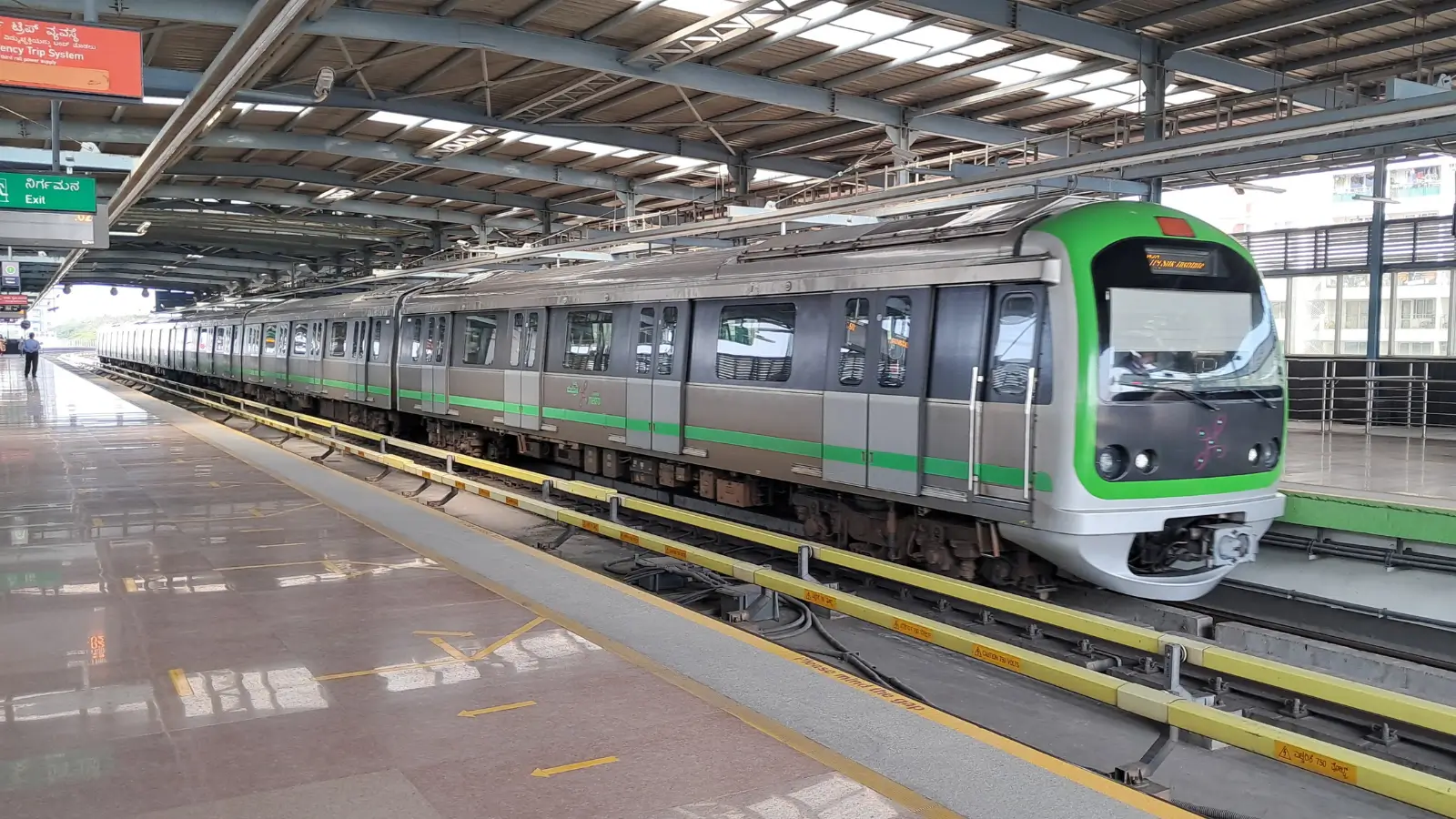
The Namma Metro phase 2 impact on property is one of the biggest questions for buyers across Bengaluru. Phase 2 extends the network into new parts of...

How Does RERA Protect Homebuyers in Karnataka?
How does RERA protect homebuyers Karnataka residents buy from? The Real Estate (Regulation and Development) Act, 2016, and the Karnataka Real Estate...

Karnataka Stamp Duty and Registration Charges 2026: What Changed
Buyers planning a purchase this year often search for Karnataka stamp duty 2026 changes, and the key update dates from August 2025, when the state...