SOBHA's Backward Integration Model: Why It Matters for Build Quality

The SOBHA backward integration model is the single biggest reason the brand is associated with consistent build quality. Most developers design a...
The SOBHA backward integration model is the single biggest reason the brand is associated with consistent build quality. Most developers design a project, then hire outside contractors and suppliers for construction, glazing, doors and interiors. SOBHA does much of this itself, which gives it control over materials, workmanship and timelines that few competitors match. This post explains how the model works, what SOBHA makes in-house and why it matters to buyers of completed homes.
In practice, the company designs, engineers and constructs projects with in-house teams. It also runs SOBHA in house manufacturing units that produce glazing, metal works, doors, interiors and concrete products. Components installed on site therefore come from a single, accountable source rather than a chain of subcontractors.
The SOBHA glazing and interiors division, as buyers often describe this part of the business, supplies windows, doors and interior elements to the company's own projects. Consistent materials mean windows, doors and fittings behave the same way across floors and towers, and replacements are easier to match when owners need them later.
Integration also affects accountability. When one company designs, manufactures and builds, responsibility for defects is clear, and problems are traced faster. That structure is one reason owners at completed SOBHA communities often report fewer issues in the years after handover.
Buyers can see the model at work in completed projects. At SOBHA Palm Court, finished in 2022, the in-house glazing, metal works, doors and interiors have now been in daily use for several years, and their condition can be inspected directly on a visit.
The model also shapes project timelines. When a developer controls its own supply of key components, it depends less on outside vendors whose delays can hold up construction. That does not make delays impossible, but it removes one of the most common causes. For buyers of completed homes, the benefit shows in consistency: the same windows, doors and fittings across every floor, ageing in the same way. Long-term owners value that predictability highly.
The SOBHA backward integration model does not make homes cheaper, and SOBHA prices often carry a premium. What it offers instead is predictability, which many buyers value more than a lower headline price.
Related reading: How SOBHA Checks Construction Quality: From Concrete to Finishes and Why Low-Density Living Matters: 294 Homes on 4.5 Acres.
FAQs
What is backward integration?
Designing, manufacturing and building in-house rather than relying on outside suppliers and contractors.What does SOBHA manufacture itself?
Glazing, metal works, doors, interiors and concrete products.How does it help buyers?
It improves consistency and makes responsibility for defects clearer.
Related Articles

Is Bangalore Still a Good City for Property Investment in 2026?
Is Bangalore good for property investment in 2026? For many buyers, the answer remains yes, because the city combines a deep job market, a large...
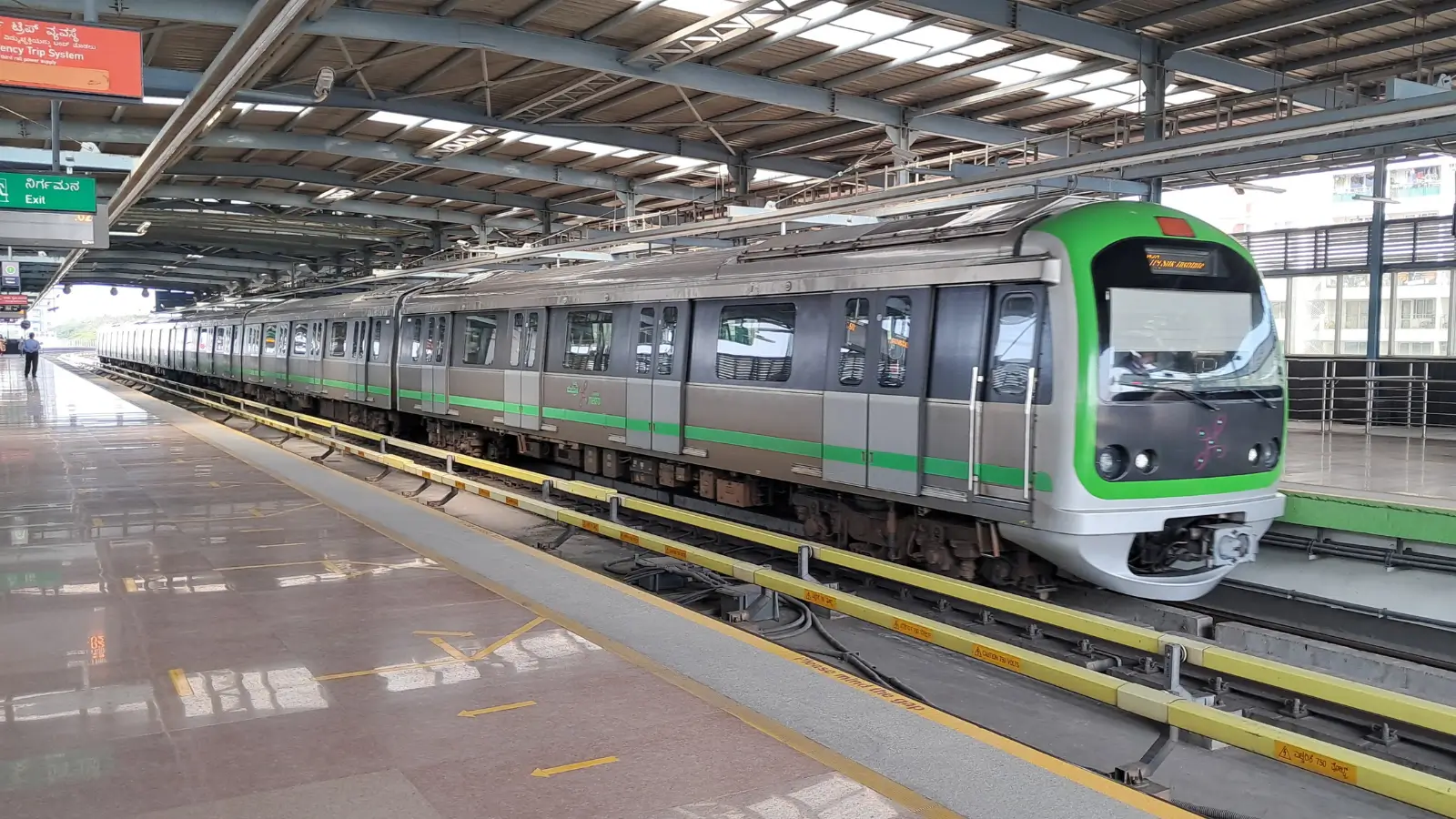
Namma Metro Phase 2 and Phase 3: How the Network Reshapes Bangalore Property
The Namma Metro phase 2 impact on property is one of the biggest questions for buyers across Bengaluru. Phase 2 extends the network into new parts of...

How Does RERA Protect Homebuyers in Karnataka?
How does RERA protect homebuyers Karnataka residents buy from? The Real Estate (Regulation and Development) Act, 2016, and the Karnataka Real Estate...

Karnataka Stamp Duty and Registration Charges 2026: What Changed
Buyers planning a purchase this year often search for Karnataka stamp duty 2026 changes, and the key update dates from August 2025, when the state...