Bangalore's GCC and Startup Boom: What It Means for Housing Demand
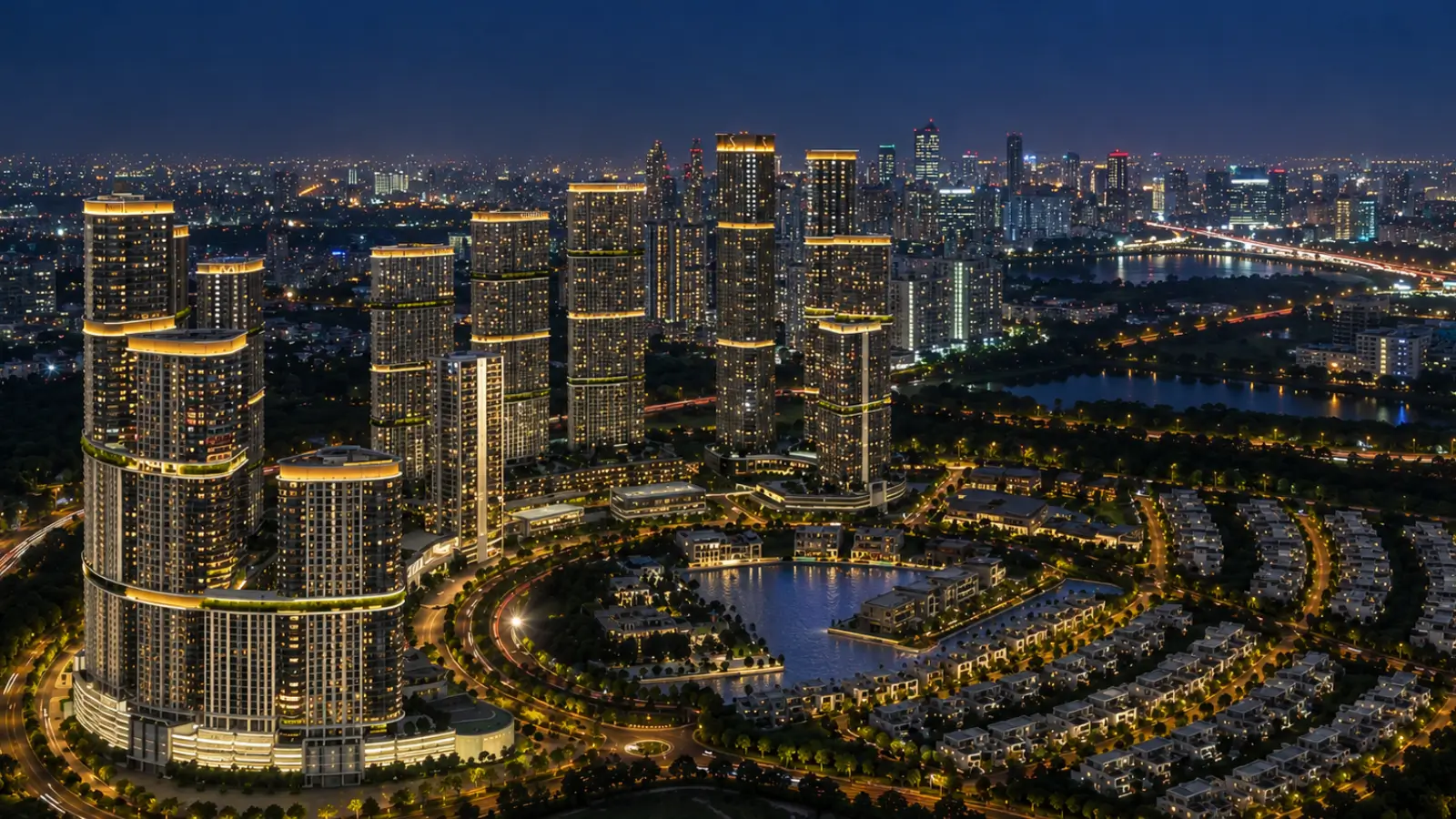
The GCC growth impact on Bangalore housing is one of the strongest forces in the city's property market. Global capability centres, the in-house...
The GCC growth impact on Bangalore housing is one of the strongest forces in the city's property market. Global capability centres, the in-house technology and operations centres of multinational companies, have expanded rapidly in Bengaluru, bringing large numbers of well-paid professionals who need homes near their offices.
North Bengaluru has captured a good share of that growth. Office campuses at Manyata Tech Park, Karle Town Centre, Kirloskar Business Park and Bhartiya City host technology and corporate tenants, and all lie within about 6.5–9 km of Kogilu. Professionals working there look for homes with short commutes, space and amenities.
The Bangalore startup ecosystem real estate link is similar. Startups cluster in the city because of its talent pool, and their employees add to rental and purchase demand, often preferring gated communities with clubhouses, pools and security.
IT jobs housing demand Bangalore has seen tends to move outwards as core areas become expensive. Hebbal averages about Rs 16,000 per sq. ft., while Yelahanka averages about Rs 10,450 and Kogilu about Rs 10,950, which draws office professionals north in search of more space for their budget.
Rental demand follows. Many young professionals rent before they buy, and completed homes near offices let quickly. Rental returns track the A-class developer benchmark: 3.5–4% of property cost each year for semi-furnished homes, rising to 4–4.5% when furnished.
Transport will widen the catchment. The Blue Line airport metro, with a station at Kogilu Cross expected in a 2027–28 window, should make daily commutes towards Hebbal easier.
Low-density completed communities such as SOBHA Palm Court, with 294 homes and about 83% open space, suit professionals who want calm homes within reach of work.
Employer preferences are shaping housing choices as well. Many large employers offer hybrid work, which lets professionals live a little further from the office in exchange for more space, provided commutes on office days stay reasonable. North Bengaluru, with larger homes at lower prices than Hebbal and good road access, fits that pattern well, especially for families.
The GCC growth impact on Bangalore housing is likely to continue as long as the city remains a leading technology centre.
Related reading: Why Is North Bangalore Growing So Fast? 5 Economic Drivers and How Manyata Tech Park and the Aerospace SEZ Drive Rental Demand in Yelahanka.
FAQs
What is a GCC?
A global capability centre, a multinational company's in-house technology or operations centre.Which office parks are near Kogilu?
Manyata Tech Park, Karle Town Centre, Kirloskar Business Park and Bhartiya City, within about 6.5–9 km.How does this affect rent?
It supports steady demand from professionals, especially near offices and transit.
Related Articles

Is Bangalore Still a Good City for Property Investment in 2026?
Is Bangalore good for property investment in 2026? For many buyers, the answer remains yes, because the city combines a deep job market, a large...
Namma Metro Phase 2 and Phase 3: How the Network Reshapes Bangalore Property
The Namma Metro phase 2 impact on property is one of the biggest questions for buyers across Bengaluru. Phase 2 extends the network into new parts of...

How Does RERA Protect Homebuyers in Karnataka?
How does RERA protect homebuyers Karnataka residents buy from? The Real Estate (Regulation and Development) Act, 2016, and the Karnataka Real Estate...

Karnataka Stamp Duty and Registration Charges 2026: What Changed
Buyers planning a purchase this year often search for Karnataka stamp duty 2026 changes, and the key update dates from August 2025, when the state...